



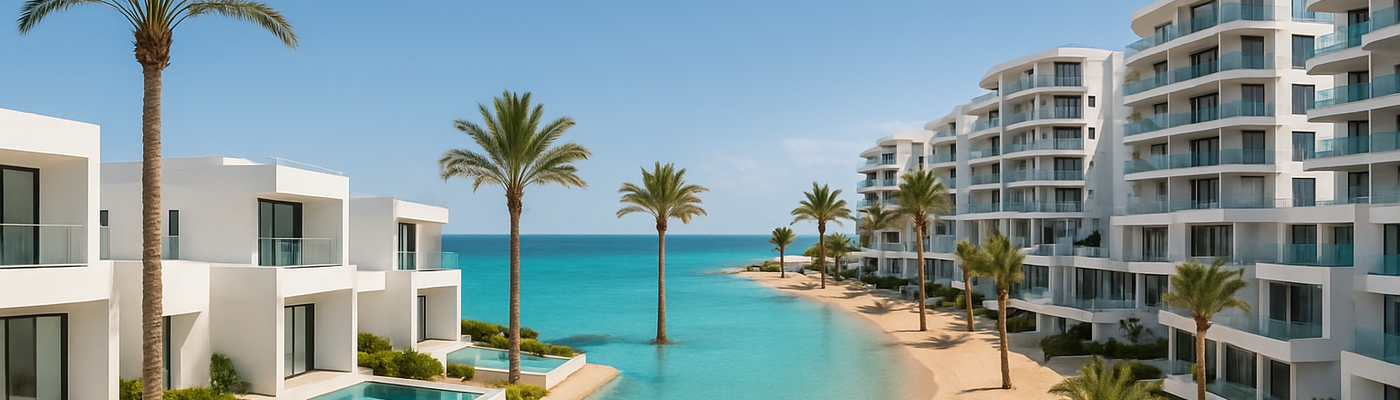
Yes. Foreigners are legally permitted to own residential property in Egypt under Law No. 230 of 1996. Hurghada is one of the most popular areas for foreign investment due to its "Freehold" status in many developments, meaning you own the property and the land it sits on indefinitely.
The "best" area depends on your goals:
• El Gouna: High-end, luxury, fully integrated resort town with high rental yields.
• Sahl Hasheesh: Premium beachfront resort area, ideal for luxury holiday homes.
• Al Ahyaa: Rapidly developing area offering more affordable prices and high capital appreciation potential.
• Hurghada City (Sheraton/Mamsha): Vibrant, central locations perfect for those who want to be in the heart of the action.
• Makadi Bay: Quiet, family-oriented resort community south of the city.
This is the most common question for buyers in Egypt:
•Green Contract (Tazgil): This is the highest form of legal registration. It is issued by the state (Sharaa Akari) and provides a government-backed guarantee of ownership. It can take 12–18 months to obtain and requires the entire building/land to be registered first.
•Signature Validation (Sahat Tawqia): This is a court-registered document where a judge confirms the validity of the seller's signature on the contract. While it does not register the property itself with the state, it is a legally binding recognition of the transaction and is the standard practice for most properties in Hurghada.
A Taukil is a crucial document in the buying process. It is a Power of Attorney issued at the Notary Office (Sharaa Akari) by the seller to the buyer. It grants the buyer the right to manage, sell, and register the property in their own name or to others. It is often used to bridge the gap while waiting for formal registration.
Highly Recommended. While the process is straightforward, a local lawyer will perform "Due Diligence" to ensure the property has no outstanding debts, the seller has the legal right to sell, and all previous "Taukils" are in order.
Beyond the purchase price, you should budget for:
• Legal Fees: Typically 1% – 3% of the property value.
• Real Estate Tax: A one-time tax of 2.5% of the contract value (usually paid by the seller, but often negotiated).
• Maintenance Fee: Most developments charge a "Sinking Fund" (one-time payment of ~10% of property value) or an annual maintenance fee to cover security, pools, and cleaning.
• Utility Connections: Fees for installing electric and water meters (approx. $300 - $800).
Yes. Hurghada is a year-round tourist destination.
You can manage the rental yourself (via platforms like Airbnb or Booking.com) or hire a local property management company. Rental yields typically range from 5% to 10% annually, depending on the location and amenities.
What are the ongoing running costs?
•Electricity & Water: Paid via pre-paid cards or monthly bills.
•Annual Property Tax: Very low for residential properties (often exempt if it's your primary residence and under a certain value).
•Internet: High-speed fiber optic is increasingly available in major developments.
1.Selection: Choose your property and negotiate terms.
2. Reservation: Pay a reservation fee (usually $1,000 - $5,000) to take the property off the market.
3. Due Diligence: Your lawyer checks the property's legal history.
4. Contract Signing: Sign the Sales & Purchase Agreement (SPA) and pay the down payment.
5. Taukil: The seller issues the Power of Attorney at the Notary Office.
6. Court Validation: Your lawyer files for "Signature Validation" in the local court.
7. Handover: Receive the keys and start enjoying your new home!

Don’t wait to start your real estate journey. Whether you’re buying, selling, or renting, our expert
team is here to guide you every step of the way. Let’s turn your vision into reality with
personalized service and a seamless experience.
© 2026 Happy Home Hurghada , Inc. All Rights Reserved.


